

Where Golfers Lose The Most Strokes: Data Reveals Golf’s Costliest Shot
News

Where Golfers Lose The Most Strokes: Data Reveals Golf’s Costliest Shot

Support our Mission. We independently test each product we recommend. When you buy through our links, we may earn a commission.

Where Golfers Lose The Most Strokes: Data Reveals Golf’s Costliest Shot

Every golfer has a part of their game that quietly drains strokes from the scorecard. Thanks to Shot Scope’s Strokes Gained data, we can now pinpoint exactly where those losses occur. For this one, we looked at not just which clubs cause you to lose strokes but which yardages cost the most per shot and per round.

The data compares players of all handicaps to a scratch benchmark, grouping every swing by yardage to uncover which distances separate elite players from the rest. Interestingly, every player struggles with the same exact shot.

The costliest shot in golf

When you look at Strokes Gained per shot, golfers lose the most ground from 176 to 200 yards. This is long-iron or hybrid territory, where contact, launch and direction become more difficult to control.

HandicapYardageAvg SG per Shot
25176–200-0.40
20176–200-0.34
15176–200-0.29
10176–200-0.21
5176–200-0.12

Across every handicap level, this range represents the steepest drop-off in performance compared to scratch golfers.

It makes sense. These shots are demanding and they require speed to cover distance. In addition, you’ll need precise face control to hit greens and a solid strike to create consistent spin. Even small misses result in long putts or recovery shots from around the green.

While the 176 to 200 yardage is the costliest per swing, it’s not necessarily the one that hurts your total score the most.
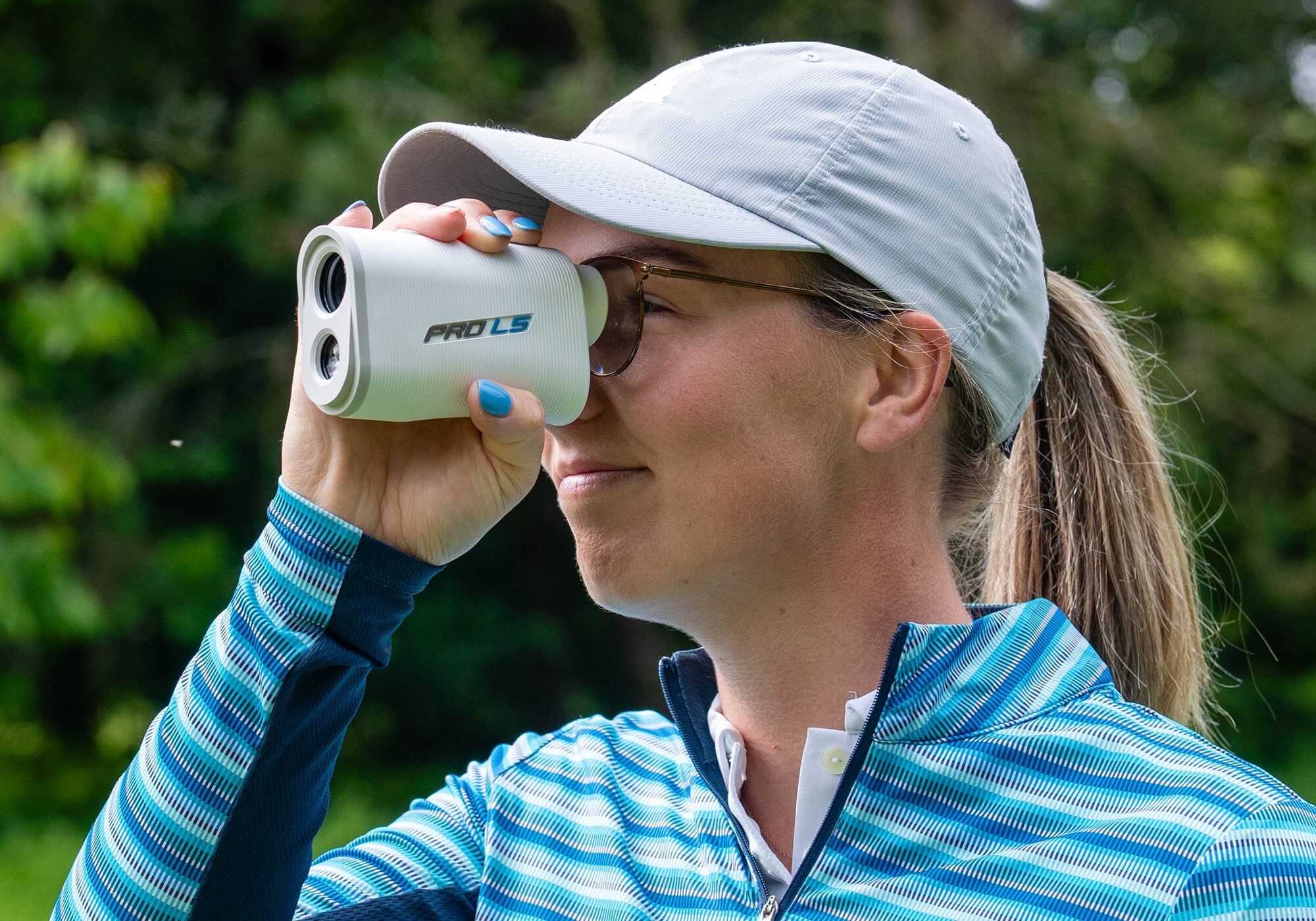
Shot Scope Pro L5 laser rangefinder.

The real cost over a round

A 25-handicap might face only three or four shots per round from 176 to 200 yards. But they’ll face multiple tee shots from over 351 yards thanks to long par-4s and par-5s.

When we look at total strokes lost per round, the most expensive yardage range shifts from long-iron territory to the tee box.

HandicapYardageAvg SG per Round
25351+-2.94
20351+-2.62
15351+-2.10
10351+-1.49
5351+-0.81

Think of it like compound interest: one bad long-iron might cost 0.3 strokes, but five or six slightly off-target tee shots can quietly erase three full strokes every round.

Scratch golfers don’t hit every fairway. They simply hit it farther and with smaller misses. The extra distance narrows their approach gaps, letting them hit more greens and make fewer costly recoveries.

Meanwhile, higher handicaps often play longer holes with less distance, meaning their approaches come from much farther away, causing them to drop strokes faster.
What to practice

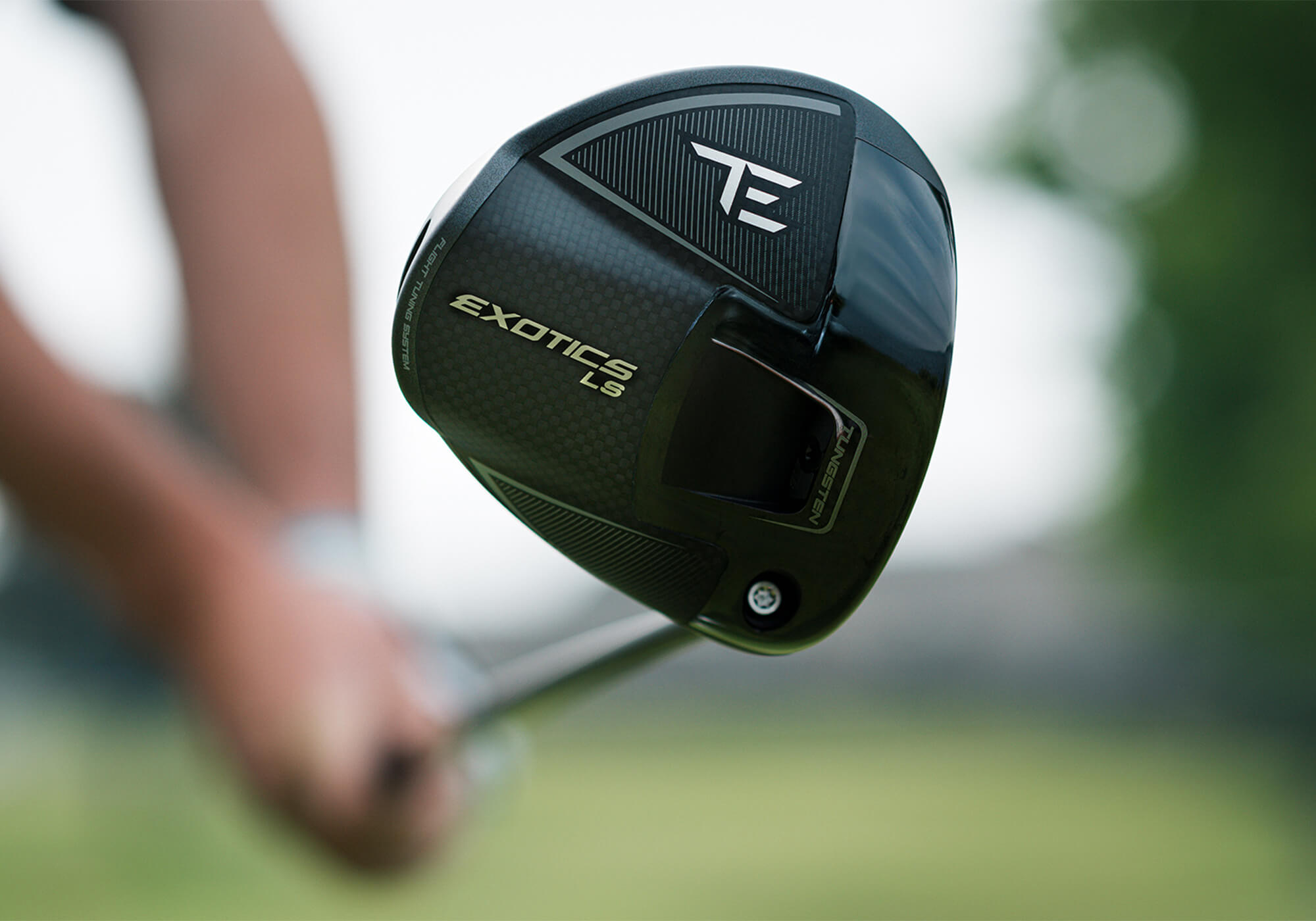
If you’ve been itching to head to the range and work on launching your driver, this data says go for it. Tee shots on long par-4s and par-5s are where golfers lose the most total strokes in a round, and improving your driver’s launch and dispersion can save you multiple shots without changing anything else in your game.

Driver practice priorities

  • Work on consistent launch and spin to optimize carry distance.
  • Develop a reliable shot shape and target pattern instead of chasing perfect straight shots.
  • Focus on miss control. The difference between 15 yards offline and 40 yards offline is often an entire stroke.

If you’ve been dying to head to the range and hit drivers, it could genuinely be one of the best ways to improve your scoring average.

But distance isn’t the only path to lower scores. Tee shots are where golfers lose the most strokes in a round. Still, if you’re wondering which club actually saves the most per shot, Shot Scope data says it’s the putter. The driver determines how much trouble you get into, but the putter decides how efficiently you get back out. You’ll still need to spend some time on the putting green.

Final thoughts

If you’ve always been told that putting saves all the strokes and the driver doesn’t matter as much, the data tells a different story. Yes, the putter keeps rounds together, but the driver decides how hard you’ll have to work for those putts. Distance and control off the tee still separate good from great.


For You

For You

News
Jun 16, 2026
adidas Celebrates World Cup With Messi Signature Golf Shoe
First Look
Jun 16, 2026
Is One Of The New Scotty Cameron Phantom Models Just Your Size?
News
Jun 16, 2026
Meet The Latest Legend: Todd Snyder x FootJoy Premiere Series
Brittany Olizarowicz

Brittany Olizarowicz

Brittany Olizarowicz

Britt Olizarowicz is a scratch golfer, former teaching professional and one of MyGolfSpy’s leading voices on equipment testing and golf performance. She has spent more than 15 years working at private clubs in New York and Florida and now specializes in translating test data and swing mechanics into practical advice for everyday golfers. Britt began playing at age 7 and has never left the game. When she’s not writing, you’ll find her on the course, playing pickleball, cooking, running or out on the boat with her family.

Brittany Olizarowicz

Brittany Olizarowicz

Brittany Olizarowicz


    This site is protected by reCAPTCHA and the Google Privacy Policy and Terms of Service apply.

      John

      8 months ago

      Hit the ball off the tee long then shorter yardage to get on the green. I do struggle at that 165/200 yd range. So chipping and putting can save your ass, just sayin

      Reply

      OpMan

      8 months ago

      Most 25+ handicaps don’t PUTT OUT and are not counting all putts and are giving themselves 4 foot gimmes, so if they forced to putt everything out and play properly they are more like 30+ and they also can’t really chip nor get out of the bunker the first time or blast it over too far.
      These stats are used to sell more lessons and new clubs and are not reflective of what hackers actually DO on the course

      Reply

      Dennis Blankenbaker

      8 months ago

      Most +25 Handicap golfers cannot take more than a score of 8 on any given hole due to their handicap; so, let them pick up that 4 foot gimme at stroke 8 and move the round in. Pace of play is more important than every ball dropping below the lip of the cup, just sayin’.

      Reply

      Jason S

      8 months ago

      I really enjoy these articles, but it would be so much better if the app/dashboard could show us all the data you’re talking about in the various articles. We can see some of it, but not to the extent you speak about. I can see 150-200, but not 176-200. I can’t see 350+. Shot Scope really needs to help out and show more of this data to us users.

      Reply

      Dave

      8 months ago

      I can speak from my experience and what I see from others. The place where most strokes are lost is 50 yards and in.

      In my case, if I have a great hole, nice drive, just off the green in two, and it takes me 3 chips to get on the green, guess what I need to work on? If I 3 putt, guess what I should be working on? Those are serious lost strokes that can be shaved with work. Granted, keeping the ball in play up to the green is important as well, but most everyone, unless you are incredibly outstanding, needs some kind of work on the short game. Picking the right kind of shot, the one with the least risk instead of trying a hero shot, is crucial here. I’m learning that as I try to shave off “stupid” strokes.

      Reply

      Livininparadise

      8 months ago

      50 yards and in is NOT where most stokes are lost. You are completely discounting the average player’s ability (or inability) get to 50 yards out from the hole. I GUARANTEE you if I put a 25 handicap 50 yards out on every hole, they would not be a 25 handicap. I am not saying they would shoot par, but they would prefer closer to a 12 to 15.

      Reply

      Andrew the Great!

      8 months ago

      In a similar vein, in June I played the “blues” at around 6500 yards. I’m an 11 index and 64 years old. I didn’t hit any drives; I put my ball in the fairway 250 yards from the scorecard blue tee distances. I wanted to see how well I’d score if I could hit my drives 250 (I’m in the low 200s so I’d need to gain 30+ yards on average). Was just an experiment. Through 15 holes I was +1 (then fatigue and tropical heat took their toll). It’s just anecdotal, but I think it supports Brittany’s point. (And if I had any initiative, I would’ve already started on speed training by now…)

      Benny

      8 months ago

      Yes.. approach shots. GIR’s are the most important stat to have lower scores.

      Reply

    Leave A Reply

    required
    required
    required (your email address will not be published)

    This site uses Akismet to reduce spam. Learn how your comment data is processed.

    News
    Jun 16, 2026
    adidas Celebrates World Cup With Messi Signature Golf Shoe
    First Look
    Jun 16, 2026
    Is One Of The New Scotty Cameron Phantom Models Just Your Size?
    News
    Jun 16, 2026
    Meet The Latest Legend: Todd Snyder x FootJoy Premiere Series