




Golfers love to blame the golf ball when their wedge shots won’t stop near the hole.
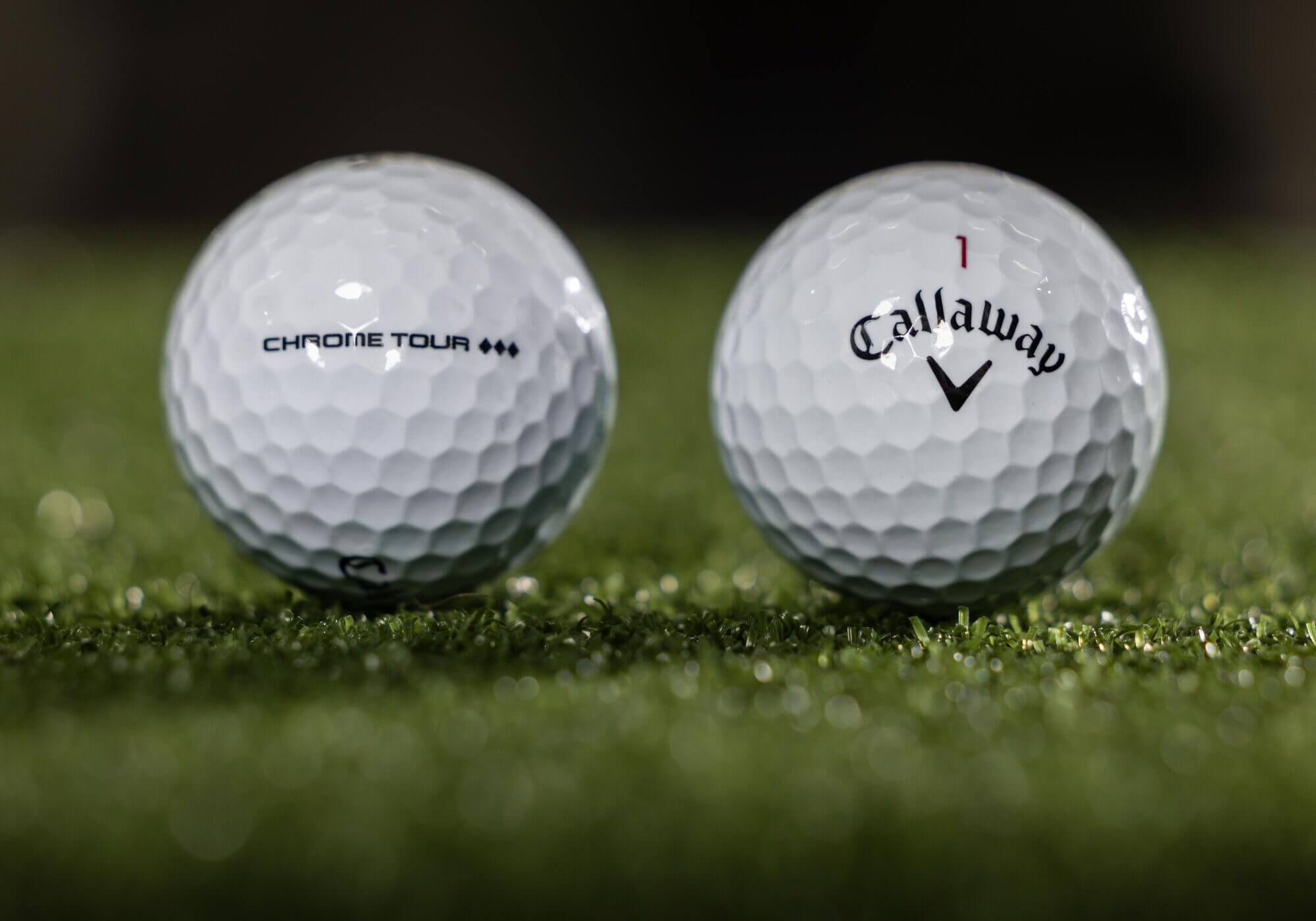
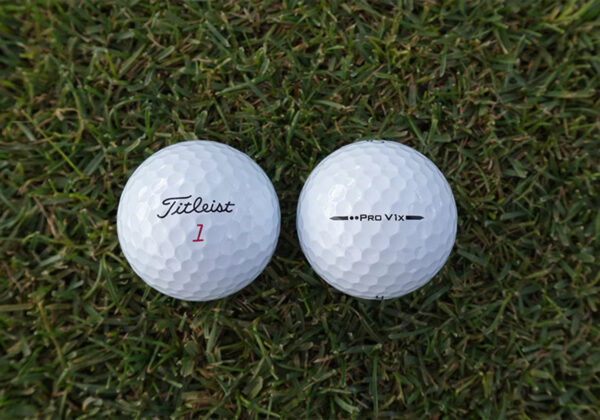
You’ve probably heard it before or maybe you’ve said it yourself: “I need a ball that spins more.” And so the search begins. Pro V1 one week. TP5 the next. Maybe Chrome Tour after that.
The thinking makes sense. Premium tour balls are designed to produce more spin around the greens so switching models feels like the logical fix.
But when we look at the data from our 2025 golf ball test, a different story starts to emerge.
If you’re already playing a tour ball and struggling with greenside spin, the ball is probably not the problem.
Tour golf balls cluster together on greenside spin
For our testing we measured performance on a 35-yard wedge shot, a distance that represents a common scoring shot for many golfers.
When you isolate the tour-level balls the spin numbers fall into a very tight window.
| Ball | Spin (rpm) |
|---|---|
| TaylorMade TP5 | 6,009 |
| Bridgestone Tour B XS | 5,989 |
| Callaway Chrome Tour X | 5,957 |
| Maxfli Tour X | 5,948 |
| Wilson Staff Model | 5,911 |
| Srixon Z-Star Diamond | 5,913 |
| Titleist Pro V1x | 5,866 |
| Srixon Z-Star | 5,814 |
| Titleist Pro V1 | 5,689 |
Most of the premium urethane balls cluster between roughly 5,700 and 6,000 rpm. That is only about a 300-rpm difference across a large portion of the tour ball category.
Launch angles and descent angles are just as tight. Many of the balls launch around 29 degrees with descent angles hovering near 34 degrees.
From a performance standpoint, those are nearly identical shot windows. This is why switching from one tour-level ball to another rarely produces a dramatic change in how your wedge shots behave on the green.
Tour balls still have important differences
None of this means tour balls are interchangeable.
Our testing shows clear differences in areas like:
- Driver spin
- Iron flight
- Ball speed
- Feel and compression
- Overall distance performance
Those factors still matter when choosing the right ball for your game. But when the conversation shifts specifically to greenside spin on a short wedge shot, the performance gap between them becomes surprisingly small.
Where the ball really does make a difference
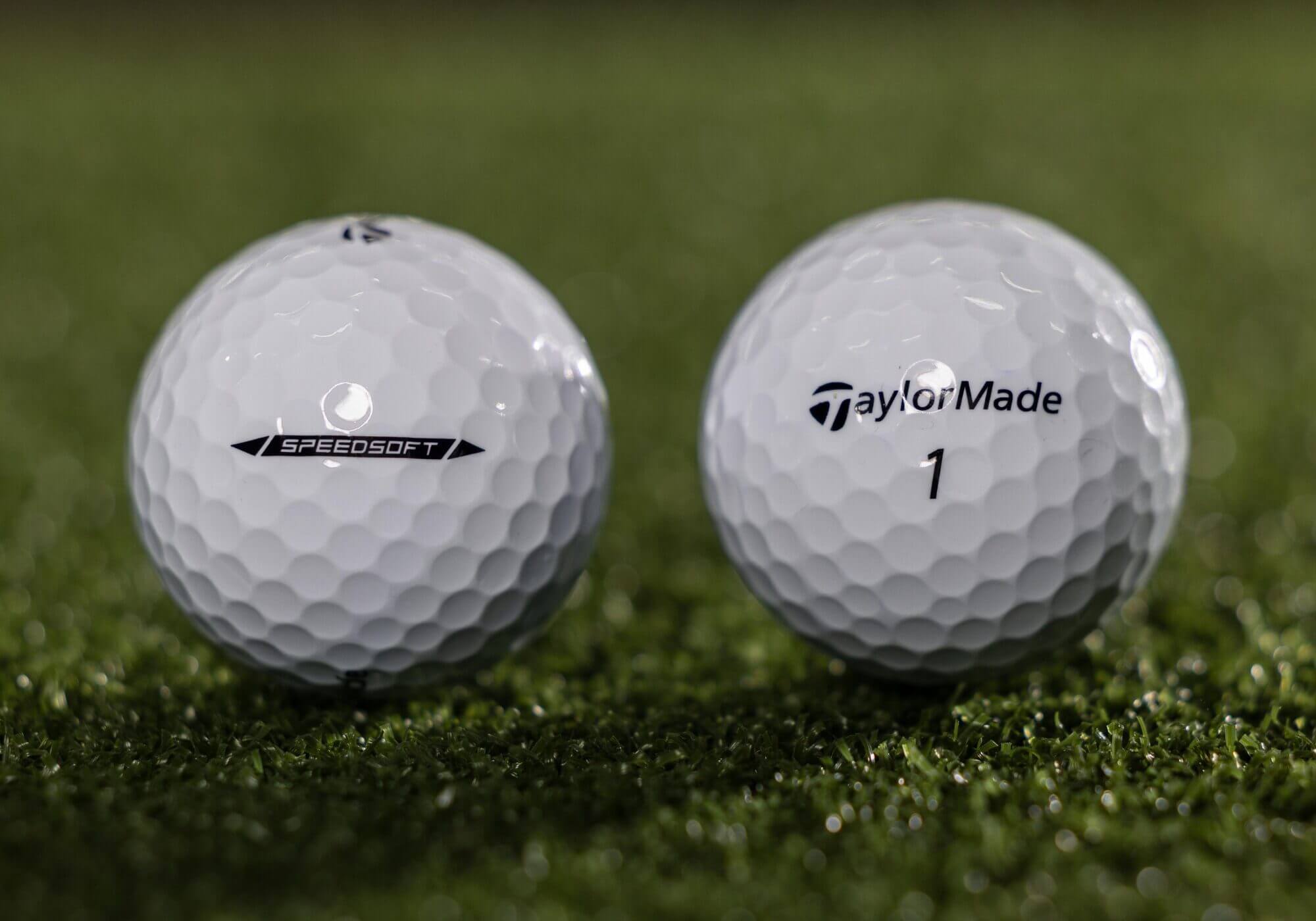
The big separation happens when you compare tour balls to distance or value models.
Here are some examples from the same 35-yard wedge test.
| Ball | Spin (rpm) |
|---|---|
| Titleist Velocity | 2,058 |
| TaylorMade SpeedSoft | 3,148 |
| Pinnacle Rush | 3,283 |
| Titleist TruFeel | 4,200 |
| Callaway Supersoft | 4,305 |
| Srixon Soft Feel | 4,626 |
Compared to the roughly 5,700- to 6,000-rpm range we saw with tour balls, the difference in spin will be noticeable.
Distance-focused balls often launch several degrees higher with much less spin. The result is a shot that floats more but struggles to grab the green.
If it’s not the ball, what could it be?
Once you’re playing a tour ball, poor wedge spin usually comes from somewhere else.
Several factors influence greenside spin more than switching between premium golf balls:
- Worn wedge grooves: Grooves lose their sharpness over time. As wedges wear down, friction between the clubface and the ball decreases which leads to less spin and more rollout. Many golfers keep wedges in the bag for years without realizing how much spin they have lost.
- Strike quality: Spin comes from friction and compression. Even slight mishits can reduce spin significantly. Shots struck high on the face or slightly thin tend to launch higher with less spin which makes it harder to control rollout.
- Incorrect wedge grind or bounce: Wedge grinds are designed to interact with turf in specific ways. If the grind does not match your swing type or the conditions in which you typically play, it becomes much harder to produce clean contact and consistent spin.
- Course conditions: Grass height, moisture and lie all influence spin. Wet grass between the face and the ball reduces friction while thick rough can prevent the grooves from grabbing the cover. Choose a wedge that performs well in wet or rough conditions to help improve spin rates.
The bottom line
The golf ball plays a role in greenside control.
Moving from a distance ball to a premium urethane ball can dramatically increase spin and improve stopping power. But once you are already playing a tour-level golf ball, the data shows that most models produce very similar spin on a standard wedge shot.
If your wedges are not stopping the way you expect, the answer is far more likely to involve grooves, strike quality, equipment setup or course conditions.




Aidan
7 months ago
Only thing I don’t like about this article is when grooves were mentioned as a possible problem. Wedges grooves only act as channels to keep as much dirt and moisture away from the ball. Ball spin comes from friction on the flat spots between the grooves not the actual grooves themselves