


The longer the club, the harder it is to keep the ball in play. Swing faster and the shaft gets longer and control gets harder. It’s just a fact of the game. One of the best ways to use our test data is to see which longer clubs, such as fairway woods, can keep the ball in play.
For this one, I looked at shot area, the size of the ellipse a club’s shots form when you plot total distance against how far offline each shot finishes. Smaller means tighter and more repeatable. Out of the 20 fairway woods in our 2026 test, these five had the smallest shot areas.
Tour Edge Exotics Max
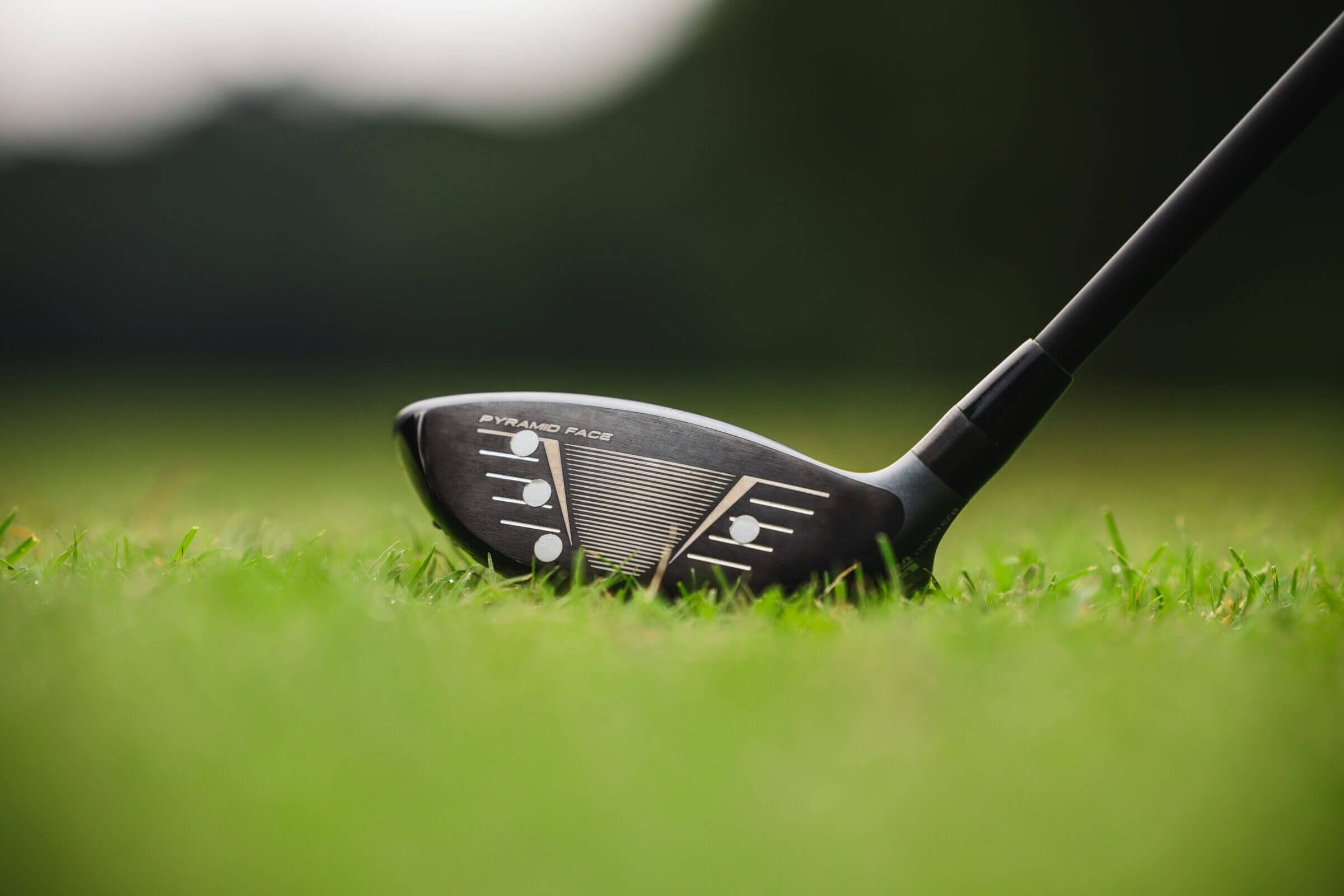
The Exotics Max had the tightest pattern in the test at 2,322 square yards. It also earned the best forgiveness score of any fairway wood we tested so the consistency holds up shot after shot. What you give up is distance, about 14 yards to the longest club in the test. If you mostly use your fairway wood for position off the tee or for layups, that’s an easy trade. At $249.99, it also costs a lot less than the $350 to $400 most fairway woods run now.
COBRA OPTM Max
The OPTM Max came in second at 2,427 square yards and tells a similar story to the Exotics Max: very forgiving but about 12 yards behind the longest club. The flight is what sets it apart. It launches low (second lowest in the test) but spins a lot, a combination you don’t see often. If you tend to hit your fairway woods too high, it may be worth a look.
Takomo IGNIS D2
The IGNIS D2 was third at 2,632 square yards and it’s a strong value story. Takomo is a direct-to-consumer brand so you’ll typically pay less than you would for the big names but there’s more you need to know. It keeps the ball in play but it was the shortest fairway wood in the test, nearly 16 yards behind the longest. The ball speed backs that up, second-lowest in the test. It’s also the highest-spinning club we tested, with a steep descent, so shots go up and come down soft. That’s great for holding a green on a long approach but you’ll give up yardage to get it.
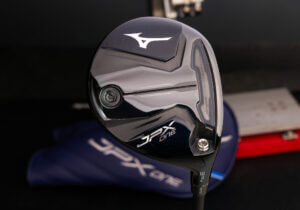
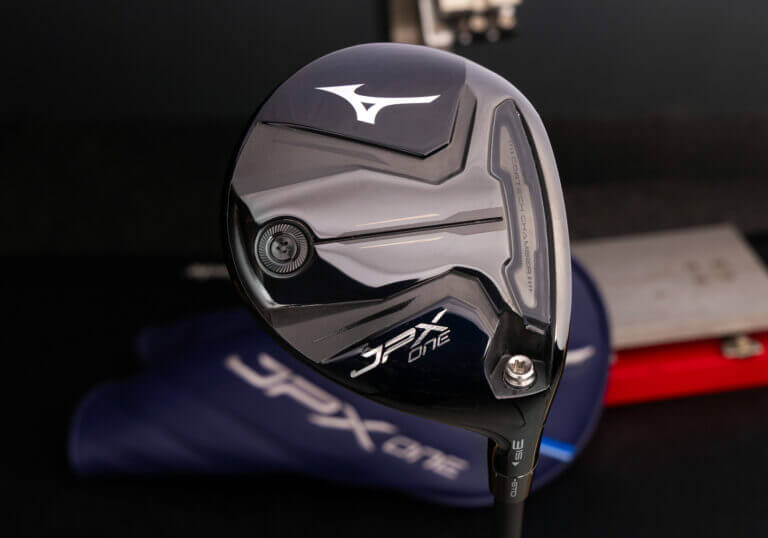
Mizuno JPX One
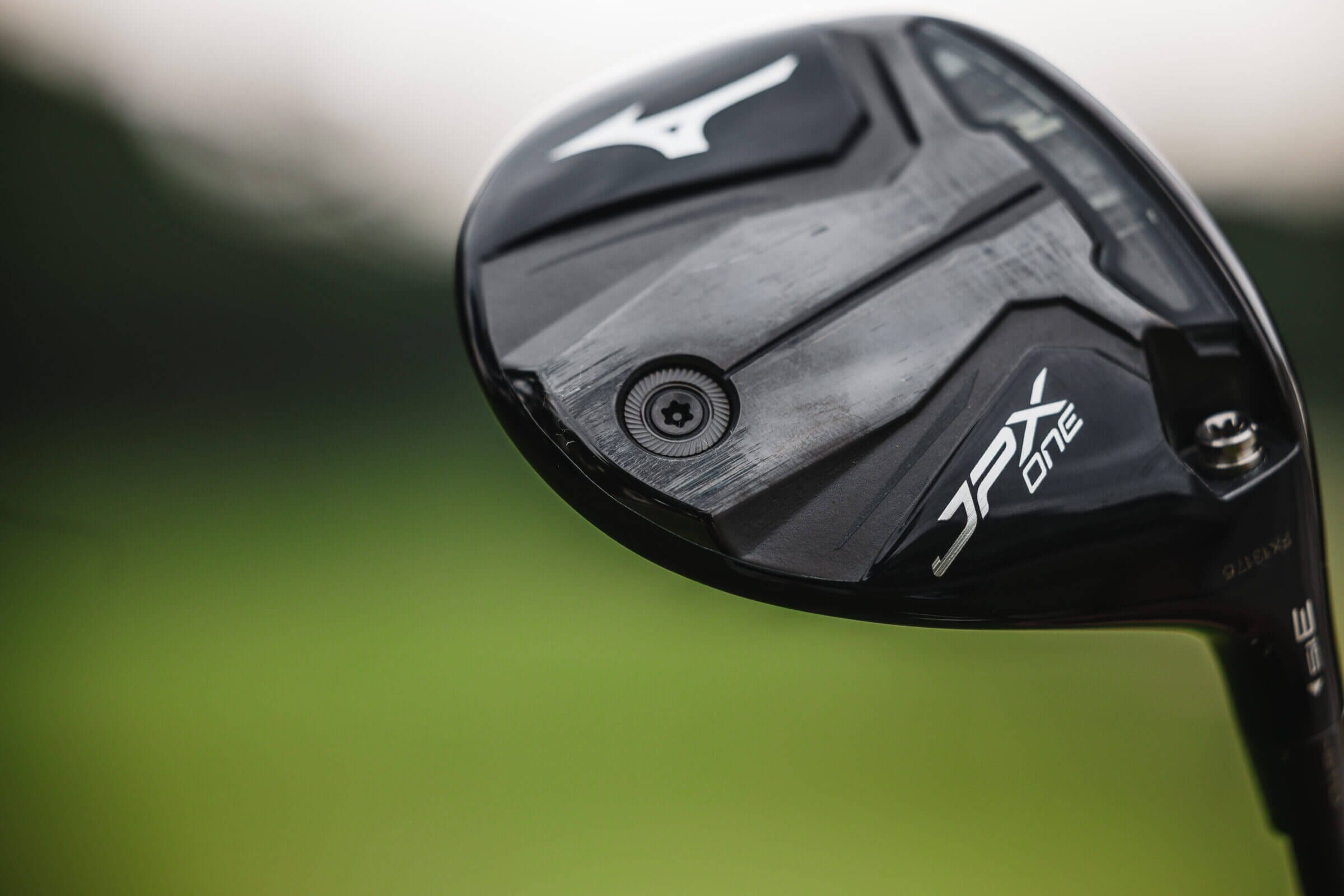
The JPX One is our overall winner, the only club on this list that’s tight without giving up much distance. Its 2,746 square-yard pattern is the fourth tightest in the test and it’s less than eight yards behind the longest club. Distance is about average and it leans a little spinny but it’s the most balanced fairway wood here. At $349.99, it’s right in the middle of the category’s pricing. If you’re not sure which of these five fits your game, start with this one.
Ben Hogan PTx Max
The PTx Max just squeaked in at 3,118 square yards with the Fourteen FX-001 only 38 square yards behind. It’s the least flashy club on the list. It had the lowest ball speed in the test and its distance is unspectacular but the pattern is steady. This one fits golfers who care more about a predictable result than about squeezing out extra yards.
The takeaway
Four of the five tightest fairway woods are also the four shortest in our test. Tight patterns often come with giving up some distance and the JPX One is the exception. Whichever you’re considering, get fitted. Loft, shaft and lie angle all change how a fairway wood performs.







Fake
55 seconds ago
Another great message about keeping the less popular brands in mind while club shopping. Tour Edge has some great stuff in their lineup at very competitive prices.