



Talking about golf shafts is not nearly as much fun for some golfers as talking about the clubhead. A new driver or a set of irons is easy to get excited about. Shafts tend to get a little more technical.
Get down to the real golf equipment nerds, though, and they’ll tell you the shafts are where it’s at.
As I tracked the winning bags on the PGA Tour throughout 2026, I also kept track of the shafts players were using in their drivers and irons. Once I put all 38 winning setups together, there were some pretty clear trends.
Here are the seven things I found most interesting.
1. 36 of 38 winning driver shafts came from just three manufacturers
Fujikura accounted for 17 winning driver setups, Mitsubishi had 11 and Project X had eight. Combined, those three manufacturers accounted for 36 of the 38 PGA Tour wins we tracked in 2026.
The only two outside that group were one Graphite Design shaft and one Aldila shaft.
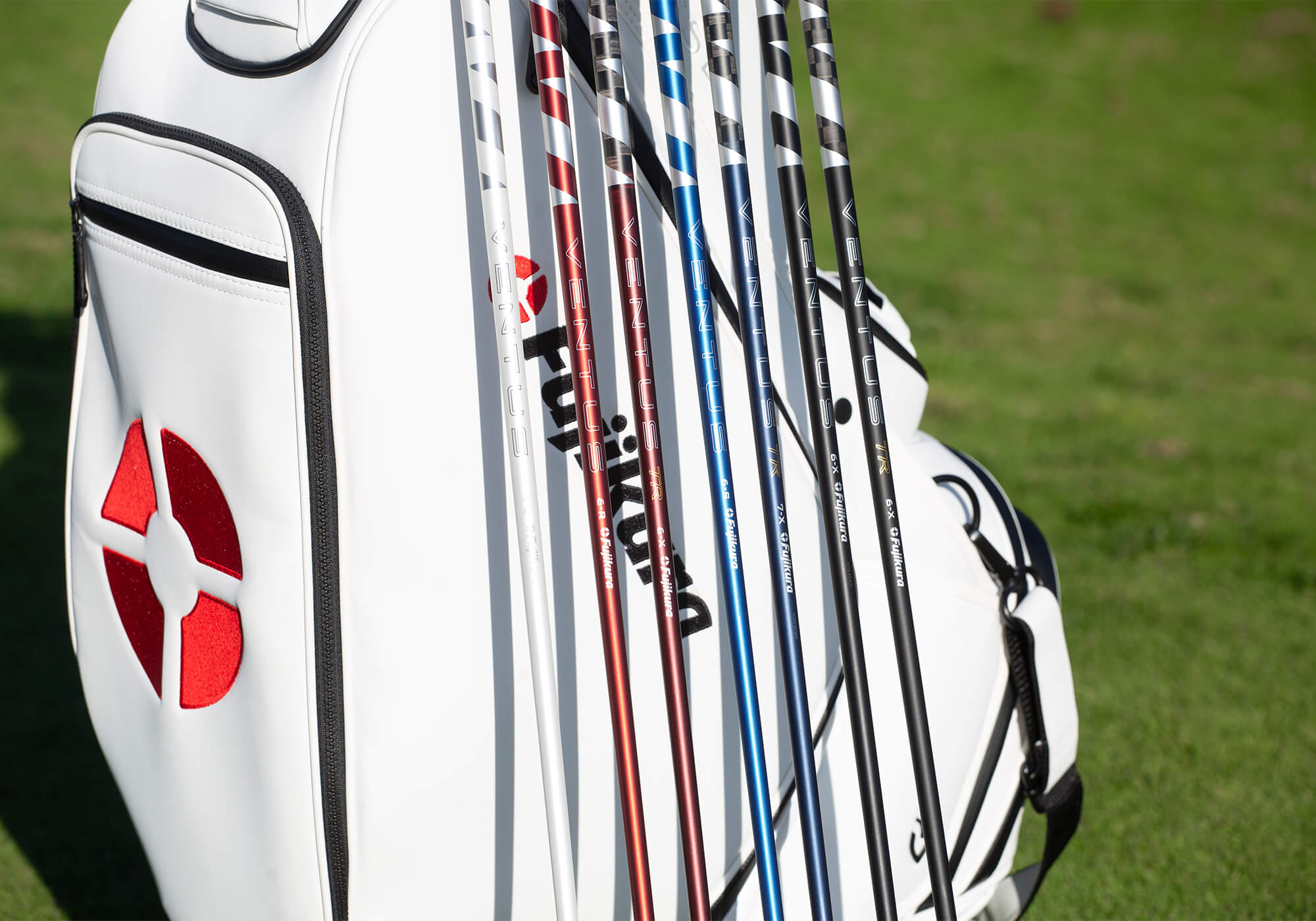
2. Nearly four out of every 10 winning driver shafts were Ventus
Fujikura led the overall count but the Ventus family deserves its own mention.
Fifteen of the 38 winning driver shafts were some version of Ventus. That works out to just under 40 percent of all the winning driver setups we tracked.
There were different models and weights in the mix so this isn’t as simple as saying there is one Ventus shaft that Tour players prefer. Still, having almost four out of every 10 winning driver shafts come from the same shaft family is hard to ignore.
3. The 60-gram driver shaft was the most common by a wide margin
If you picture a PGA Tour player swinging an extremely heavy driver shaft, the 2026 winning bags tell a different story.
Twenty-two of the 38 winning driver shafts were in the 60-gram class. Fourteen were in the 70-gram class and just two were in the 80-gram range.
That means almost 58 percent of these winning setups used a 60-gram driver shaft. Tour players have plenty of speed but that doesn’t mean they automatically need an extremely heavy shaft to control it.
4. X versus TX was almost a coin flip
Twenty of the 38 winning driver shafts were TX while 18 were X. An X golf shaft generally means extra stiff while TX is typically used for a Tour-level extra-stiff profile but those labels are not standardized from one shaft manufacturer to another.
A Fujikura X, for example, can’t simply be lined up against a Mitsubishi or Project X TX and assumed to be softer just because of the letter on the shaft. Manufacturers are designing different weights, torque, bend profiles and tip and butt stiffness into each model. Fujikura’s own shaft specifications show those characteristics being measured separately from the flex designation.
So the nearly even X/TX split may tell us less about how “stiff” Tour players want their shafts and more about how little the flex label means without looking at the entire shaft profile.
5. Iron shafts told a very different story
Driver shafts may have settled heavily into the 60- and 70-gram ranges but iron shafts in these winning bags remained much more traditional.
Thirty seven of the 38 primary iron shaft setups we tracked were steel. Brandt Snedeker’s SteelFiber i95 setup was the lone graphite option in the main iron set.
There were graphite shafts used in some specialty long irons but, once we got into the primary iron set, steel completely dominated. Graphite iron shafts continue to improve and become more popular for amateur golfers but they haven’t made much of a dent in PGA Tour winning bags yet.
6. Five iron shaft models accounted for more than two thirds of the winning setups
The iron shaft market was just as concentrated as the driver market.
Dynamic Gold Tour Issue X100 led the way with eight winning setups. KBS C Taper 130 X, Project X 6.5 and Dynamic Gold X7 each appeared five times while KBS Tour 130 X showed up three times.
7. Some Tour players aren’t even using the same shaft throughout the iron set
This might be the most interesting fitting takeaway of all.
Seven of the 38 winning bags had more than one shaft in the iron portion of the set. Sometimes that meant a graphite shaft in a specialty long iron before transitioning into steel. In other cases, players used one shaft in the longer irons and another through the rest of the set.
We tend to think about finding an “iron shaft” and putting it into every iron in the bag. Tour players are clearly willing to look at individual parts of the set differently when the clubs need to perform different jobs.
What can golfers take from this?
None of this means you should put a Ventus in your driver because it won the most tournaments.
The more useful takeaway is that even with access to essentially any equipment they want, PGA Tour winners kept coming back to a relatively small group of shaft brands and models.




John
3 weeks ago
I’m 62, have the Ping Alta 35 gram in my g430 max driver 3,5, and 7 woods. I figured the lighter the faster.
I tee it up only about 1/4 to 1/2 inch and absolutely smoke the ball. Never driven it this far in my life, and down the fairway too. Mishits used to go 215 now they go 240. Never had more 300 yd drives in my life.
A wise person once said the flex determines how high the ball flies. It’s easier to hit it straighter the lower the tee. The shaft will put the ball in the air, you don’t need to tee it high.
I encourage everyone to try this.